
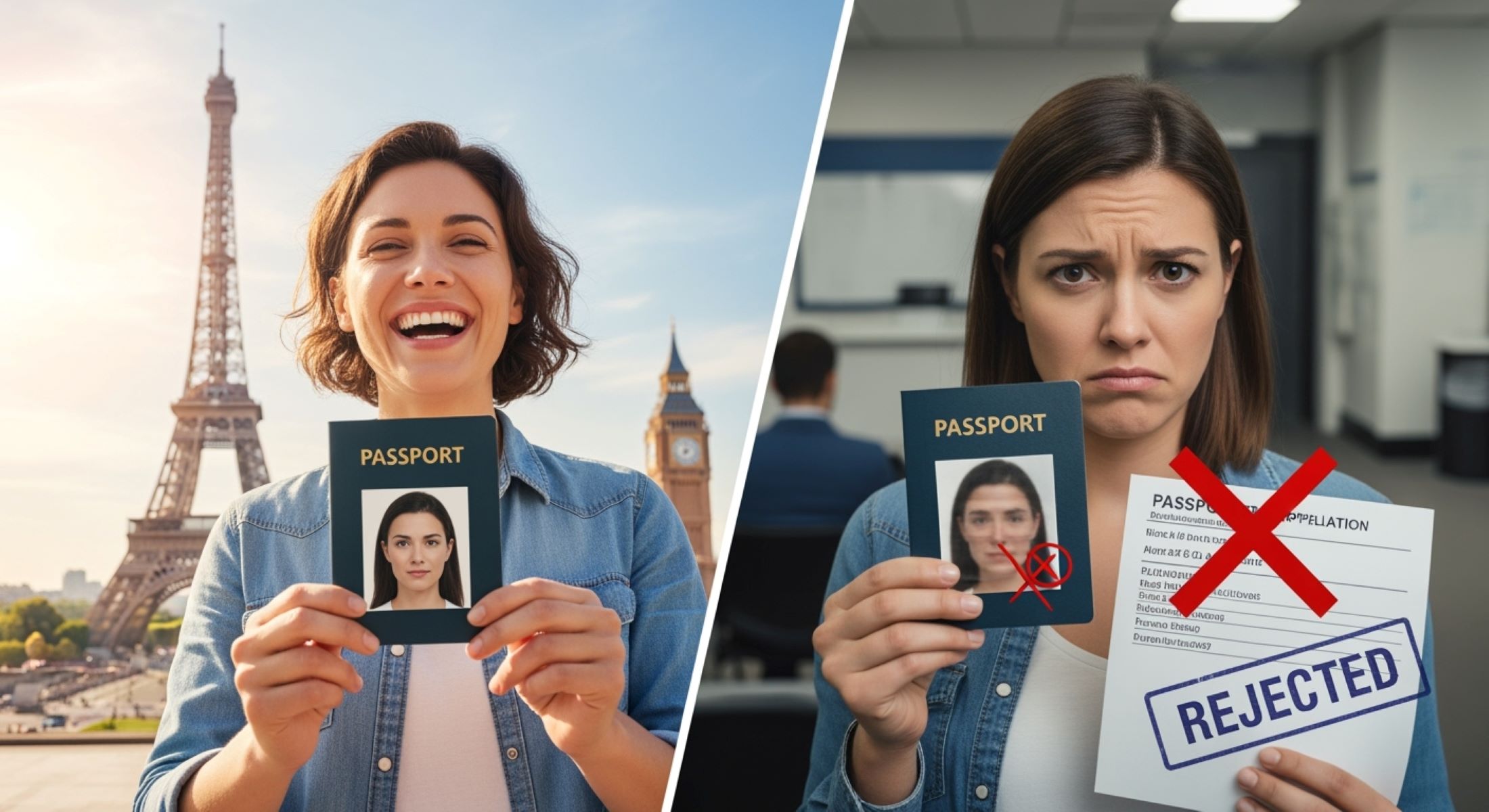
Getting a passport can feel like a rollercoaster. You’re excited about traveling, but suddenly, your passport photo throws a wrench in the works. We’ve all been there—maybe your photo is blurry, you’re squinting, or your smile is a little too big. But what exactly happens if your passport photo doesn’t meet the requirements? Let’s dive in, break it down, and figure out how to fix it without losing your cool.
Understanding Passport Photo Requirements
Before diving into the consequences of a rejected passport photo, it’s crucial to understand the requirements themselves. Passport photos aren’t just random snapshots—they are a standardized form of identification recognized worldwide. Every detail, from the lighting to the size of your head in the frame, plays a role in ensuring your face can be clearly identified by immigration officials, border control, and even automated systems. Countries set these strict rules to maintain security, prevent fraud, and make international travel smoother for everyone. Skipping over these details might seem harmless, but even a minor mistake can lead to your application being delayed or rejected.
One of the first things to keep in mind is the recency of the photo. Most countries require your passport photo to have been taken within the last six months. This ensures that the image accurately reflects your current appearance. Changes in hairstyle, facial hair, or even slight weight fluctuations can affect how you are recognized, especially in systems that rely on facial recognition. By having a recent photo, authorities can confidently match your face to the identity documents without confusion or delay.
Background and lighting are equally critical. A plain, light-colored background is typically required to eliminate distractions and ensure your face is the central focus. Patterns, shadows, or textured walls can interfere with the clarity of the image and may cause automated facial recognition systems to fail. Even subtle shadows on the face can obscure features, making it harder for officials to verify your identity. Proper lighting, combined with a neutral background, creates a crisp, clear photo that passes the strictest checks without issues.
Finally, the composition of the photo itself must meet specific standards. Your full face should be visible, with eyes open and looking directly at the camera, and your expression neutral—no exaggerated smiles or frowns. Headwear is generally prohibited unless it’s for religious reasons, and accessories like glasses may need to be removed to avoid glare. The photo must also conform to precise dimensions, such as the standard 2×2 inches in the U.S., to fit into official documents properly. While these rules may seem overly meticulous, they exist to guarantee that your passport is recognized globally and that you face no unnecessary hurdles while traveling.
Why Passport Photo Standards Are So Strict
Passport photo standards might seem unnecessarily strict at first glance, but there are several very important reasons why authorities insist on following them exactly. The rules are not arbitrary—they are designed to protect travelers, streamline international processes, and ensure that identification is accurate and reliable. Here’s a detailed breakdown of why these standards are enforced:
- Security Against Fraud: One of the primary reasons for strict photo requirements is to prevent identity fraud. Poor-quality images or photos that don’t accurately capture your facial features can be manipulated or mistaken for someone else. High-quality, standardized photos help authorities confirm that the person presenting the passport is truly the holder, reducing the risk of identity theft or illegal border crossings.
- Global Consistency: Passport photos must follow consistent international standards so that they are easily recognized and processed across different countries. When every passport photo follows similar rules—such as background color, facial expression, and head positioning—immigration officers worldwide can quickly verify a traveler’s identity. This consistency prevents confusion and ensures smoother travel experiences.
- Efficiency in Processing: Clear, standardized photos allow immigration and border officials to process travelers quickly. When a photo meets all requirements, officials can immediately match it to your appearance without hesitation or additional checks. Conversely, a poor-quality or non-standard photo slows down processing, potentially causing long lines, delays, and extra verification steps.
- Compatibility With Automated Systems: Many countries now use facial recognition technology at airports and borders. These systems require photos that meet strict standards in size, clarity, and lighting. A blurry or incorrectly positioned photo may cause the software to fail, triggering additional manual checks and slowing down the entire process.
- Legal and Regulatory Compliance: Passport photo standards are often codified in law. This means that passport offices must enforce them to comply with national and international regulations. Failure to do so could lead to security breaches or legal complications, so strict adherence is not optional—it’s mandatory.
- Minimizing Human Error: A properly standardized photo reduces the chance of mistakes during the verification process. Officials can quickly identify faces, compare them against databases, and ensure that no mismatches occur. Photos that deviate from the standards increase the likelihood of errors, which can affect your travel plans or legal documentation.
Immediate Consequences of an Invalid Passport Photo
| Consequence | Description | Impact on Travel | Financial Implications | Tips to Avoid |
| Application Rejection | The passport office may outright reject your application if the photo does not meet standards. | Your passport issuance will be delayed, possibly for weeks or months, affecting travel plans. | No direct cost for the rejection itself, but indirect costs may include flight or accommodation changes. | Double-check photo requirements before submitting and use professional services if needed. |
| Resubmission Notice | Officials will send a notice requesting a new photo with your application. | Processing cannot continue until the new photo is received, extending wait times. | May require additional postage or courier fees to submit a new photo. | Respond promptly to the notice and submit a compliant photo immediately. |
| Additional Fees | Some countries charge fees for resubmitting an application or for expedited processing. | If you need urgent processing, the total cost can rise significantly. | Extra fees can range from $20–$100 or more depending on processing speed and country. | Follow guidelines strictly the first time to avoid resubmission costs. |
| Travel Delays | Delays in passport issuance can cause missed flights, tours, or visa deadlines. | Missing flights or visas can disrupt entire travel plans and create cascading scheduling problems. | Potential loss of non-refundable tickets, hotel bookings, or pre-paid tours. | Plan well in advance and ensure photos meet all specifications to avoid disruptions. |
| Stress and Frustration | Dealing with rejected applications can be stressful and time-consuming. | Emotional strain can affect your ability to manage travel arrangements effectively. | While not financial, stress may lead to rushed decisions or extra spending to compensate for delays. | Prepare carefully, follow official photo guidelines, and allow ample time for application processing. |
Common Reasons Photos Get Rejected
Even when you believe your passport photo is perfect, it can still be rejected for a variety of reasons. Passport officials scrutinize every detail, from the clarity of the image to the background and even your facial expression. One of the most frequent issues is a blurry or pixelated photo. When the resolution is too low or the image is out of focus, authorities cannot clearly identify your facial features. This not only slows down the application process but may also trigger a complete rejection, forcing you to resubmit a compliant photo, often delaying travel plans significantly.
Another common reason for rejection is the background color. Passport photos require a plain, neutral background, typically white or light-colored. Photos with patterned walls, colored backdrops, or visible objects can distract from your face and may cause the image to fail automated checks or manual verification. Officials need a clear contrast between your face and the background to accurately process the application, so even small deviations from the required background can lead to a rejected photo.
Facial expression and visibility are also critical. Most passport authorities insist on a neutral expression with a closed mouth and no exaggerated smile. Eyes must be fully visible, unobstructed by hair or glasses glare. If your expression is too exaggerated, your eyes are partially covered, or your head is tilted incorrectly, your photo can be rejected. This ensures that the photo reflects your natural appearance and can be used reliably for identification across borders.
Finally, the technical specifications of the photo—size, dimensions, and lighting—play a major role. Photos that do not meet exact size requirements, such as the standard 2×2 inches in the U.S., or those with uneven lighting and shadows across the face, are almost always rejected. Proper lighting is essential to ensure all facial features are clearly visible, while correct sizing ensures that your image fits within official documents. In short, even minor technical or stylistic errors can prevent your passport from being issued on time, making it essential to follow guidelines meticulously.
How Passport Photo Mistakes Affect the Process
Passport photo mistakes might seem like a small issue, but their impact can ripple through the entire travel process. Even minor errors can cause delays, increase costs, and add unnecessary stress. Here’s a detailed breakdown of how mistakes in your passport photo can affect your application and travel plans:
- Processing Delays: When a photo doesn’t meet the required standards, passport offices need to notify applicants and wait for a corrected submission. This can slow down the overall processing time significantly, sometimes by weeks or even months. For travelers who need passports quickly for urgent trips, such delays can cause missed flights, disrupted itineraries, and rescheduling headaches.
- Extra Financial Costs: Submitting a non-compliant photo can result in additional expenses. Even if printing a new photo seems inexpensive, you may have to pay extra for resubmission fees, expedited processing, courier charges, or additional application handling costs. Over time, these added expenses can accumulate, especially if multiple corrections are required.
- Visa and Travel Complications: Delays in passport issuance due to a rejected photo can affect other aspects of your travel, such as visa applications. Many countries require a valid passport to process visas, so a delayed passport can lead to missed visa deadlines, travel restrictions, or even forfeited bookings for flights, accommodations, or tours.
- Emotional Stress and Frustration: Beyond financial and logistical implications, dealing with a rejected passport photo can create unnecessary stress and frustration. The excitement of planning a trip can quickly turn into anxiety as travelers navigate bureaucracy, wait for corrections, and manage disrupted plans. Emotional stress may also lead to rushed decisions, mistakes in resubmitting applications, or overlooked details that further delay the process.
- Cascading Travel Disruptions: Even a small mistake can set off a chain reaction. Missed flights may require rebooking, accommodations may need to be canceled or adjusted, and pre-planned activities can be lost. This domino effect not only affects the individual traveler but can also impact companions, business commitments, and overall travel budgets.
- Loss of Confidence in the Process: Repeated photo rejections or delays can erode a traveler’s confidence in the passport application system. This may lead to reliance on professional services or extra precautions in future applications, increasing both stress and costs for subsequent trips.
- Impact on Time-Sensitive Travel: For business trips, conferences, or urgent family visits, a rejected photo can have serious consequences. Delays in receiving a passport might result in missed opportunities, canceled meetings, or personal commitments, highlighting why accurate photos are essential from the outset.
Tips to Avoid Passport Photo Rejection
| Tip | Description | Why It Matters | Common Mistakes | Best Practices |
| Use a Professional Photographer | Hire someone experienced in passport photography. | Professionals know the exact rules for lighting, size, background, and composition. | DIY photos often fail due to poor lighting, angle, or blurry focus. | Choose a photographer familiar with your country’s passport requirements. |
| Follow Guidelines Exactly | Carefully read official passport photo requirements online. | Following official guidelines ensures compliance and reduces rejection risk. | Ignoring minor details like background color or size leads to rejections. | Always check the most recent updates on the government website before taking or submitting a photo. |
| Avoid DIY Photos | Skip selfies or casual phone photos. | Self-taken photos often lack the proper framing, lighting, and background. | Crooked angles, shadows, glare, or low resolution. | If taking a DIY photo, use a plain background, proper lighting, and high-resolution camera. |
| Keep Your Expression Neutral | Maintain a straight face with a closed mouth and relaxed eyes. | Neutral expressions are easier to identify and comply with international standards. | Smiling with teeth, raised eyebrows, or squinting can cause rejection. | Look straight at the camera, relax your face, and avoid exaggerated expressions. |
| Check for Shadows | Ensure even lighting on your face and background. | Shadows can obscure facial features, affecting identification. | Harsh overhead lights or side shadows can cause photo failure. | Use soft, diffuse lighting from multiple angles to illuminate your face evenly. |
What To Do If Your Passport Photo Is Rejected
If your passport photo gets rejected, the first thing to remember is not to panic. Rejection is a common occurrence, and passport authorities provide clear instructions on how to correct the issue. Carefully reviewing the rejection notice is the most important first step. This notice will outline exactly why your photo did not meet the required standards, whether it was due to size, lighting, background, expression, or another factor. Understanding the specific reason ensures that your next photo will comply and helps prevent repeated mistakes that could cause further delays.
Once you’ve identified the reason for rejection, it’s time to take a new photo. Accuracy is key—follow the official guidelines precisely. Make sure the photo is recent, shows your full face, has a neutral expression, and meets the required dimensions. Pay attention to lighting, background, and positioning. Using a professional photographer or a certified photo service can significantly reduce the risk of another rejection, as they are experienced in producing passport-compliant images that meet all technical requirements.
After taking a new photo, resubmit it with your passport application. Depending on your country’s rules, this may involve sending a physical photo along with your application form, or uploading a digital image for online processing. Ensure that any additional fees, such as resubmission or expedited processing charges, are included if required. Submitting the corrected photo promptly is important, as delays in resubmission can further extend the time it takes for your passport to be issued.
Finally, tracking your application is essential. Most passport offices provide a tracking system or online updates to let you know the status of your application. By monitoring the progress, you can respond quickly to any additional requests or issues, avoiding further delays. Keeping copies of all correspondence and ensuring that your contact information is up-to-date can make the process smoother. With careful attention and prompt action, a rejected passport photo can be corrected efficiently, allowing your travel plans to proceed with minimal disruption.